

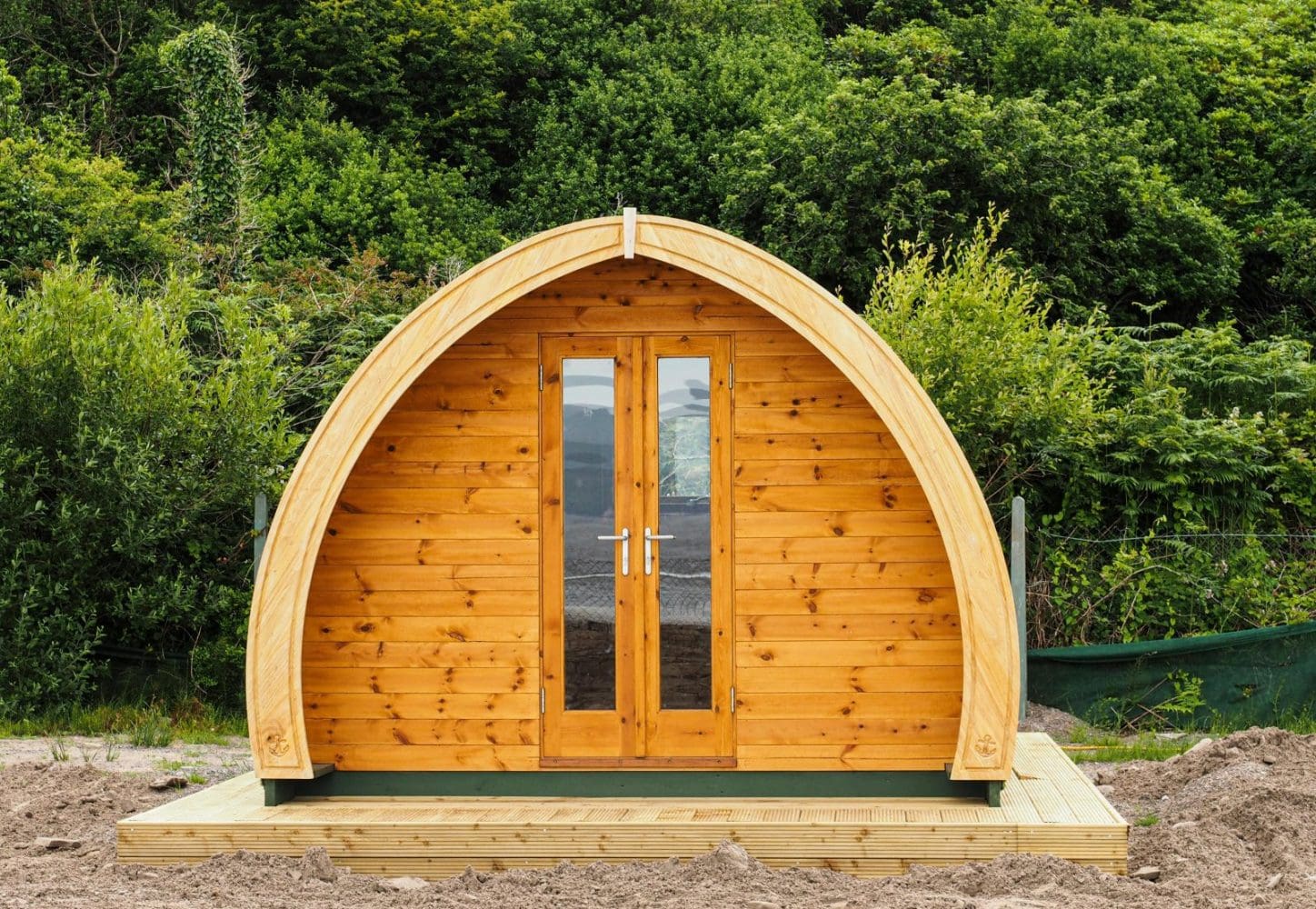
NORWALK, Conn. — Backyard sheds can be a valuable addition to any property that needs extra storage space for a variety of items, including gardening equipment, seasonal decorations, and even grills and smokers. If Norwalk residents are considering adding one this summer, they will need to follow certain steps before installing it.
Identify the Zoning District
Before starting, it is important to determine the zoning district that the property falls under. Norwalk has several residential zoning districts and regulations that took effect in February 2024.
To figure out which district a property is located in, residents can use an interactive zoning map to verify their address.
Zoning Permits
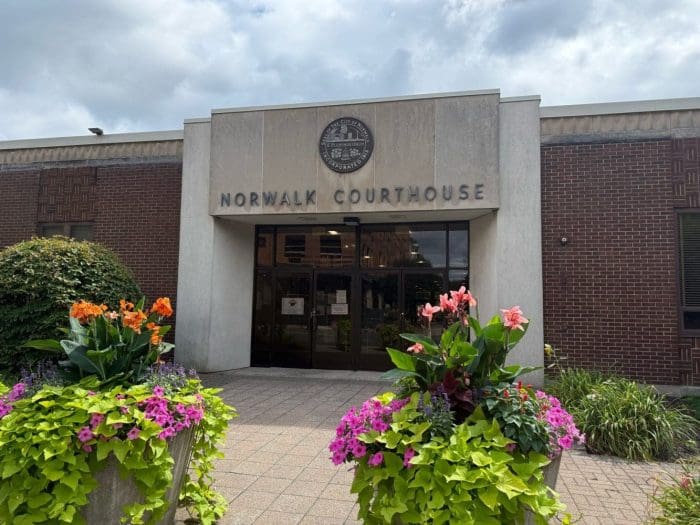
Sheds are considered an accessory structure, which requires a zoning permit to build. Accessory structures are secondary buildings on a property that are not part of the main building. As such, according to city regulations, a zoning permit signed by both the applicant and property owner must be filed with Norwalk City Hall.
There are two ways residents can do so. The first is to drop it off at the Planning and Zoning office in Room 129 in City Hall between 8:30 a.m. and 4:00 p.m., Monday through Friday.
Alternatively, residents can mail the application to:
Planning and Zoning, Rm. 129
City of Norwalk,
PO Box 5125,
Norwalk, CT 06856-5125
Application Requirements
In addition to the application for a zoning permit, residents must submit at least three copies of a site plan that shows the proposed location for the shed in relation to the property line. The application must also include plans showing what already exists on the property and where the shed will be located. Properties located in a flood zone will need additional documents.
Residents will only have to pay the application fee once the permit application is completed and ready to be issued. The permit application will be reviewed by the Conservation and Wetlands department before residents are contacted. For sheds smaller than 100 square feet, the fee is $110; residents will have to pay $260 for accessory structures that are larger.
Placement
There are several placement setbacks for the shed’s location that depend on whether a resident has an interior, through, corner, or rear lot property, as well as zoning district requirements. Additionally, the shed’s location is affected by properties on three intersecting streets, specifically corner properties.
One standard is that the shed must be in the back half of the property or at least 70 feet behind the property line, whichever one is less. For side setbacks in residential zones ‘AAA’, the shed must be placed at 15% of the lot width or 30 feet, whichever is less. For lots with a depth of 100 feet or less, the rear setback is five feet. Rear lots have different standards.
The maximum height for the shed is 15 feet to the midpoint of the roof, or the highest point for flat-roofed structures.
Residents are exempt from building permits for the construction of small sheds.
For more information about applying for zoning permits, visit www.norwalkct.gov/2638/Apply-for-a-Zoning-Permit



Leave a Reply
You must Register or Login to post a comment.