

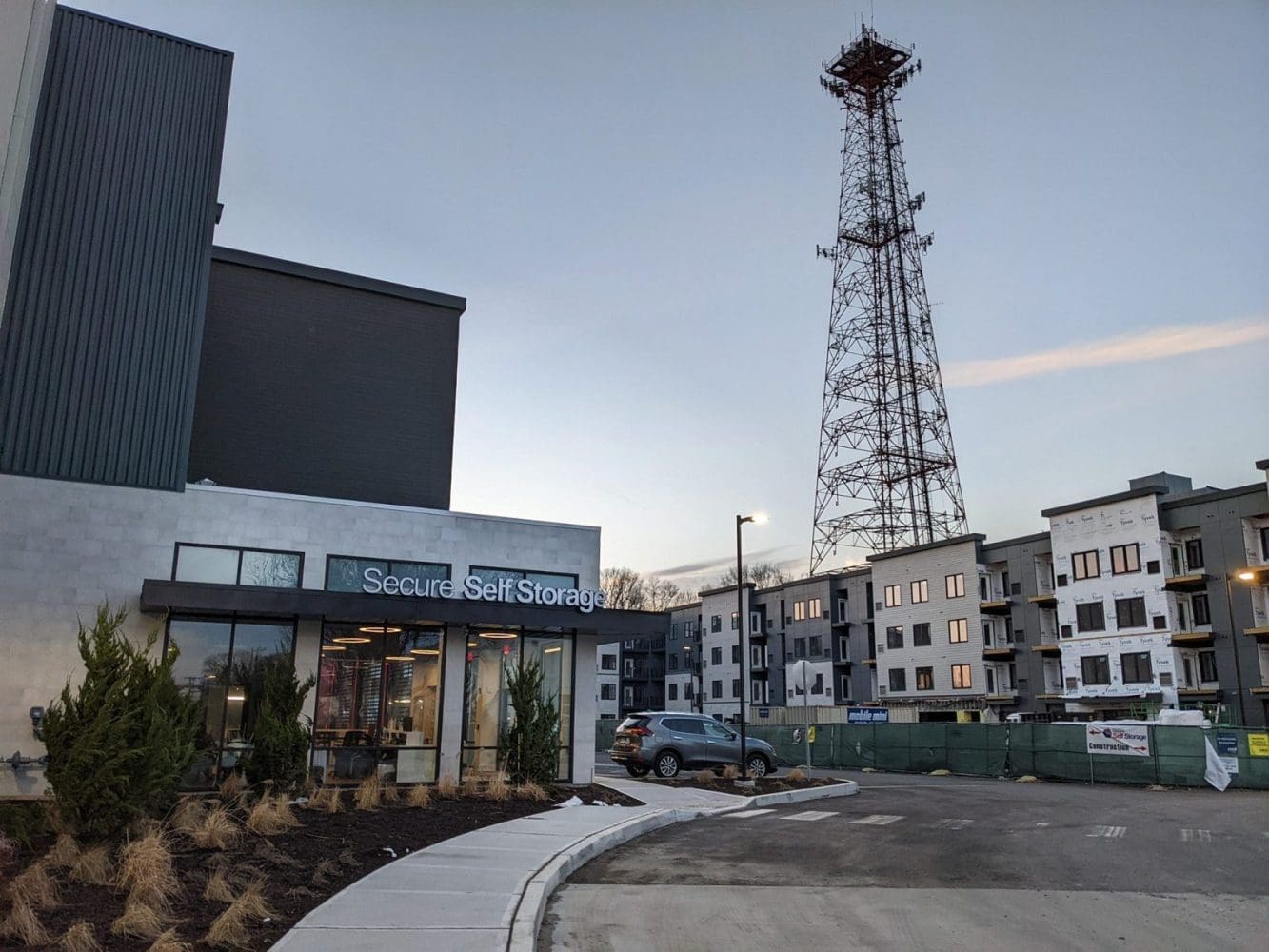
NORWALK, Conn. — Is a parking spot as essential as heat and electricity? That question is now at the center of a dispute over rent at a downtown apartment building.
Willard Apartments LLC owns a mixed-use building at 10 Willard Road with 219 apartments. Of those, 22 are set aside as workforce housing. The city says parking fees should count toward that cap, just like heat and electric bills do. The owner says parking is a choice, not a necessity, and should not count at all.
Now, the Norwalk Zoning Board of Appeals is caught in the middle, trying to determine how the rule applies.
On July 23, Deputy Zoning Inspector Ian Hall issued a cease-and-desist order to the complex, stating that some workforce units were priced too high once parking was added.
Attorney Justin Glaser spoke for the property owner. He said they will adjust any rents that are too high because of heat, electricity, or other required utilities, but is contesting only whether separate parking fees have to be counted toward the workforce rent cap. Parking is optional, not required; tenants can walk, take a bus, or use a rideshare service instead of paying for a spot.
Glaser pointed to the workforce housing rules. Those rules say certain fees, like heat and electric bills, must count toward a tenant’s total housing cost. But the rules also list some costs that do not count, such as cable TV and internet. Glaser argued parking should be treated the same way.
“A tenant who is electing to park in a particular location or to engage parking, which is an optional item under the lease and is cancelable throughout the term, is making an actual choice,” said Glaser. Tenants pay $80 a month for a regular parking spot, though a spot near the elevator costs $100 a month.
He warned that if the city’s reading of the rule stands, other charges, like pet fees or storage fees, could also get pulled into the rent calculation. He said that was never the goal of the workforce housing program.
City staff argued the rule is written broadly on purpose. Tammy Maldonado, a Zoning Enforcement Officer who reviewed the case, said the regulation defines a “utility cost” as any fee a tenant must pay regularly, except for a short list of exceptions. Parking is not on that exception list.
“There is no dispute that parking is a periodic fee for which the tenant is directly responsible. There is also no dispute that parking is not listed as one of the enumerated exceptions,” said Maldonado.
The city’s legal opinion, written by Assistant Corporation Counsel Matthew Sapienza, backed staff’s position. It said parking fees must be included when calculating whether a tenant’s rent follows workforce housing limits.
Board members asked several questions about how the fees work. One member asked whether a tenant could be evicted for not paying a parking fee. Glaser said a tenant could be found in default of the lease, though he was not aware of any past cases. Another member asked if any tenants had been moved to a different parking spot without warning. Glaser said he would check and follow up in writing.
Board member Andy Conroy said he did not think the board had enough information to make a final call. He asked that the case go back to the city attorney for a clearer opinion.
“I’m not prepared to move forward tonight,” Conroy said. “We have a record of what you’ve said, and I think we should throw it back to the city attorney and tell us whether we have room or not.”
The board voted unanimously to grant a continuance. The case will return next month, after the city attorney’s office gives a fuller answer on whether parking fees count as a workforce housing cost.



Leave a Reply
You must Register or Login to post a comment.