

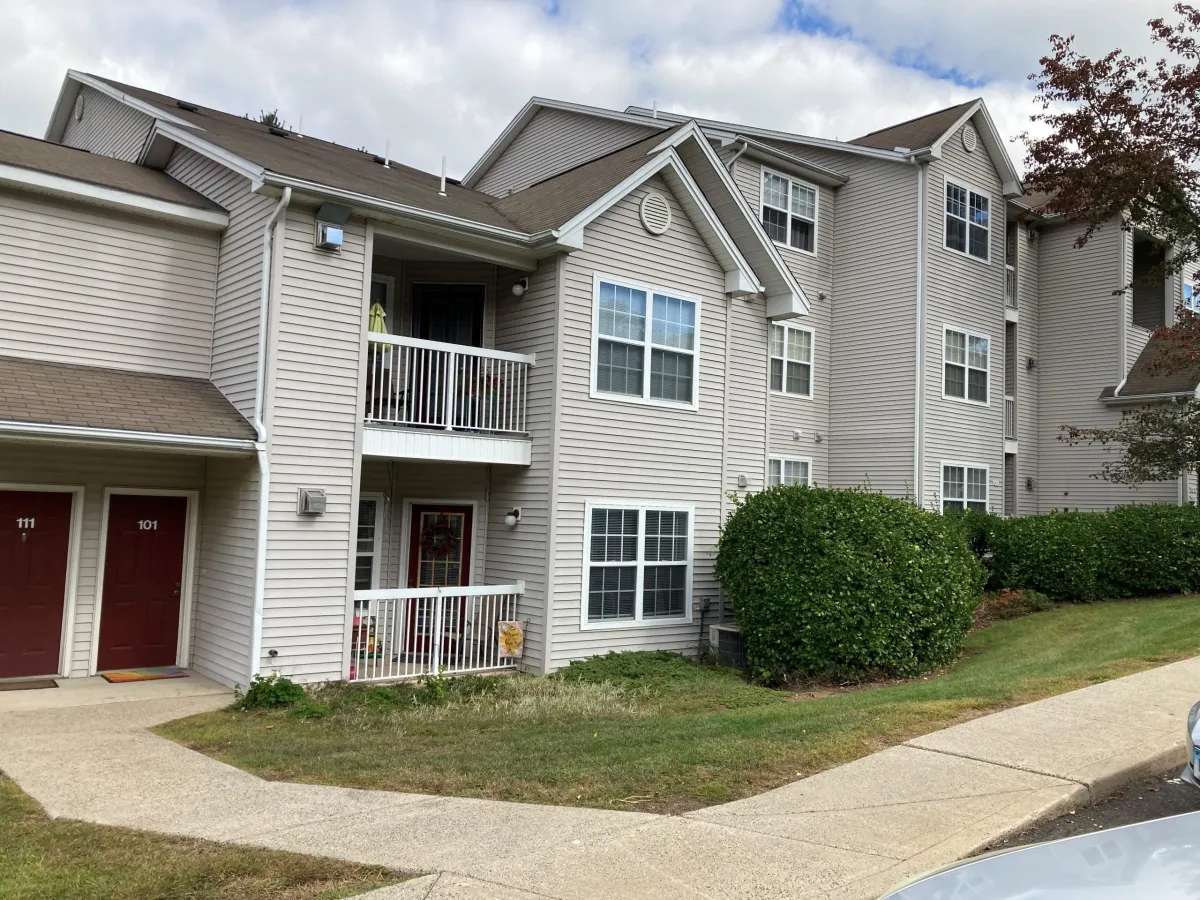

A proposed technical adjustment to one of the state’s foremost affordable housing laws could put many Connecticut towns well over the threshold that exempts them from potential legal action if they deny developers’ proposals for certain affordable housing — without any new housing going up or changes to zoning policy.
The bill proposal from the House Republican caucus would add what’s called “naturally occurring” affordable housing to towns’ counts under the law known as 8-30g.
The law, enacted in 1989, gives developers the opportunity to take a town to court if it rejects their proposals for certain affordable housing. Municipalities are exempt if 10% of their total housing stock is designated affordable.
The Republicans’ proposal, which a sponsor said is a work in progress, would add properties that aren’t deed restricted but are affordable to people whose income is up to 80% of the area median income.
Rafie Podolsky, a housing attorney at Connecticut Legal Services and advocate, said the measure violates the intention of the law and would mean many towns could be exempted from the court remedies without any more housing actually being built.
“By simply re-labeling something that already exists as affordable housing and doing it for the purpose of telling towns that you can freely turn down any developer who wants to come in and do some additional density, you have just eliminated the statute,” Podolsky said.
The potential impact on towns and on the state’s housing stock comes from a little-known but important distinction: the difference between deed-restricted and naturally occurring affordable housing.
The two are often discussed in the same breath — an umbrella of affordable housing.
But deed-restricted affordable housing refers only to housing units that are government-subsidized and set aside as affordable. For example, under 8-30g, it can mean: homes that have mortgages financed through the government, homes that are paid for in part by housing choice vouchers, or homes that are developed using government money that have designated a certain percentage of units to be affordable, among other units.
Naturally occurring affordable housing is typically at least 30 years old and has lower-cost rents. This type of housing is at high risk of getting too expensive for people with low incomes to afford.
Some of the contention may have sprung from the use of the word “affordable,” a layman’s term, which 8-30g uses to mean deed-restricted housing, Podolsky said.


Leave a Reply
You must Register or Login to post a comment.