

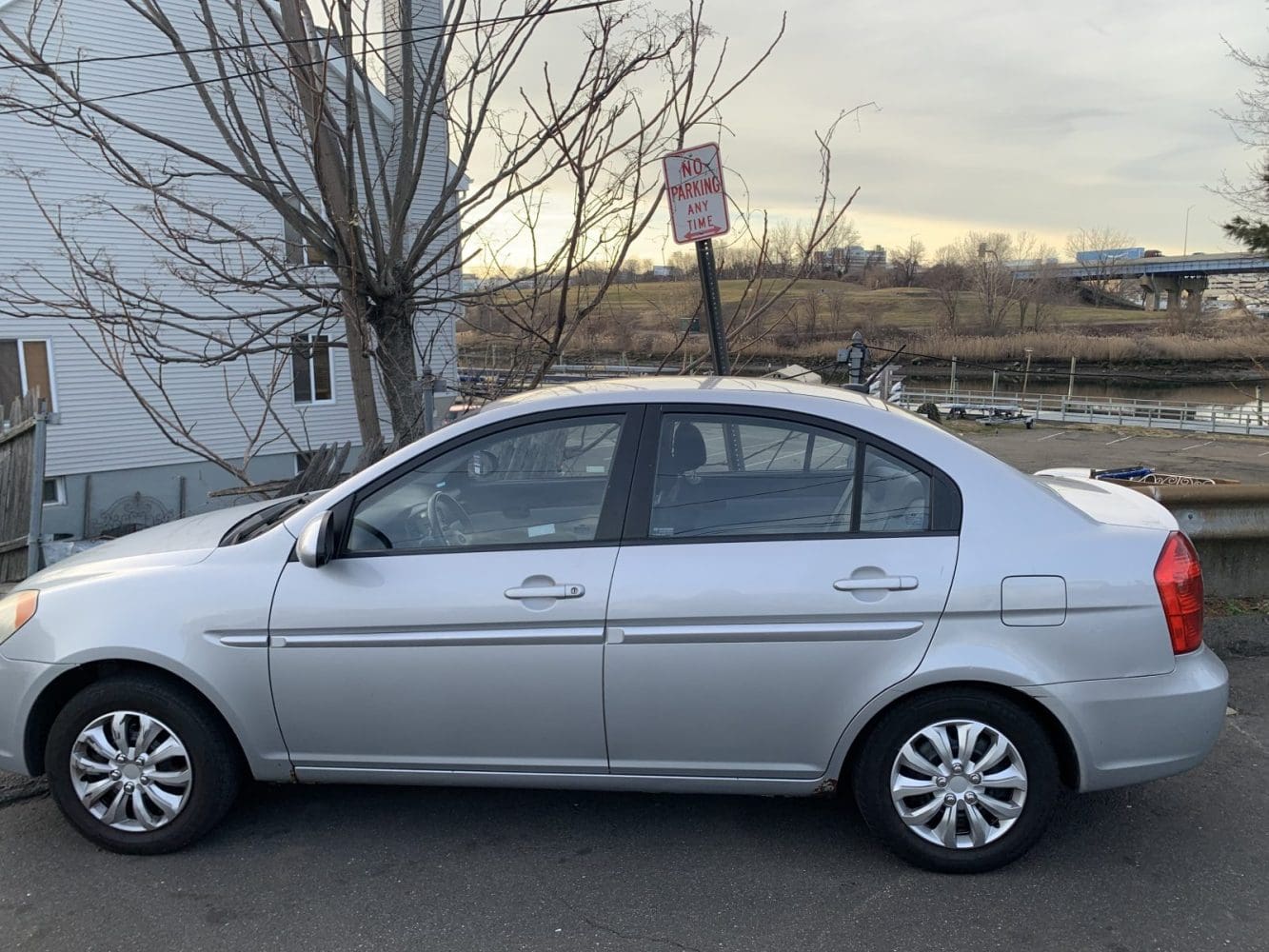
NORWALK, Conn. — Save Norwalk Neighborhoods, the civic, non-partisan arm of the Norwalk Independents, has criticized the draft Residential Parking Program (RPP) policy.
According to the draft, the program aims “to improve residents’ ability to access parking near their homes while maintaining flexibility for visitors, service providers, contractors, and other essential users.”
Save Norwalk Neighborhoods concerns
Lisa Brinton, Chair of the Norwalk Town Committee for the Independent Party and owner of the Save Norwalk’s Neighborhoods Facebook page, sent an email to the Park Norwalk RPP Committee outlining the four primary concerns Norwalk Independents have against the drafted plan.
Independents’ first concern is with “protecting existing residents living in historical neighborhoods, with older homes with no realistic parking alternative and giving them first consideration in any RPP,” according to Brinton’s email.
“There are a lot of neighborhoods in Norwalk in the city center that are historical and they have been around before there were cars,” wrote Brinton. She said because of this, Norwalk has homes that don’t have parking on the street nor “driveways because they were built before there were cars.”
The members of the party also are concerned the draft places “the burden on residents to solve a city-created problem,” Brinton’s email read.
Brinton also was concerned that the plan did not “establish clear “city department governance and appeal protections.” Brinton clarified that she meant multiple offices in the Norwalk government—specifically Transportation, Mobility and Parking, the Norwalk Parking Authority, and LAZ Parking—were involved in the RPP.
“The biggest problem Norwalk has had probably for the last 20 years is that none of the departments talk to each other,” Brinton said.
“Planning and Zoning already know where the choke points are in Norwalk, so going and placing the burden on residents is basically saying ‘We don’t wanna do it,’” Brinton added.
Norwalk’s response
James Travers, Director of Transportation, Mobility and Parking, said he was not going to comment on Brinton’s claims.
Bryan Lutz, Assistant Director of Parking for Norwalk, said the city received around 38 public comments during the public comment period.
Travers said his role was to provide the Parking Authority with all comments gathered during the public comment period.
“I think sometimes what happens is there’s some confusion [people have] about the Parking Authority believing that it’s a city department; and it’s not — it is a separate entity in charge of maintaining the city’s assets,” Travers explained.
The plan will be enforced “by additional operation of the parking enforcement officers as part of the Parking Authority,” Travers said.
Travers explained the steps to getting an RPP: “The Parking Authority will determine [the need for an RPP] by measuring the available parking that’s allowed on a given street by [seeing] how many vehicles can legally fit there and they’ll take those spaces and divide it by the number of legal dwellings that are on a given street.”
RRP’s website lists a public hearing on this issue for Nov. 18.
Comments on the plan can be sent to rppcommentnorwalk@lazparking.com.


Leave a Reply
You must Register or Login to post a comment.